The environment treats: light, sound, temperature, air
It is the strangest pillar in our industry: the one with the strongest evidence, and the one the brochures mention least. While the sector markets sensory protocols resting on fragile proof, light, silence and air have precise reference values. Design is not decoration. It is a protocol.
In short
- Ordinary indoor light in the evening cuts melatonin by about 70% and delays its onset by roughly an hour and a half.
- The relevant unit is melanopic lux, not ordinary lux — a simple test for judging a supplier.
- Noise is the best-regulated lever in wellness: about 12,000 premature deaths a year in Europe; a social cost of €147 billion a year in France.
- Best sleep sits between 20 and 25 °C, with large individual differences.
- Indoor plants do not purify the air. Their value is aesthetic and psychological — and that is enough.
Light, or what the eye does without us
For a long time we believed the eye only served to see. We now know it hosts a third system, distinct from vision, whose sole role is to tell the body what time it is. It is particularly sensitive to blue — which makes « blue light » not a marketing invention but a wavelength with a dedicated receptor.
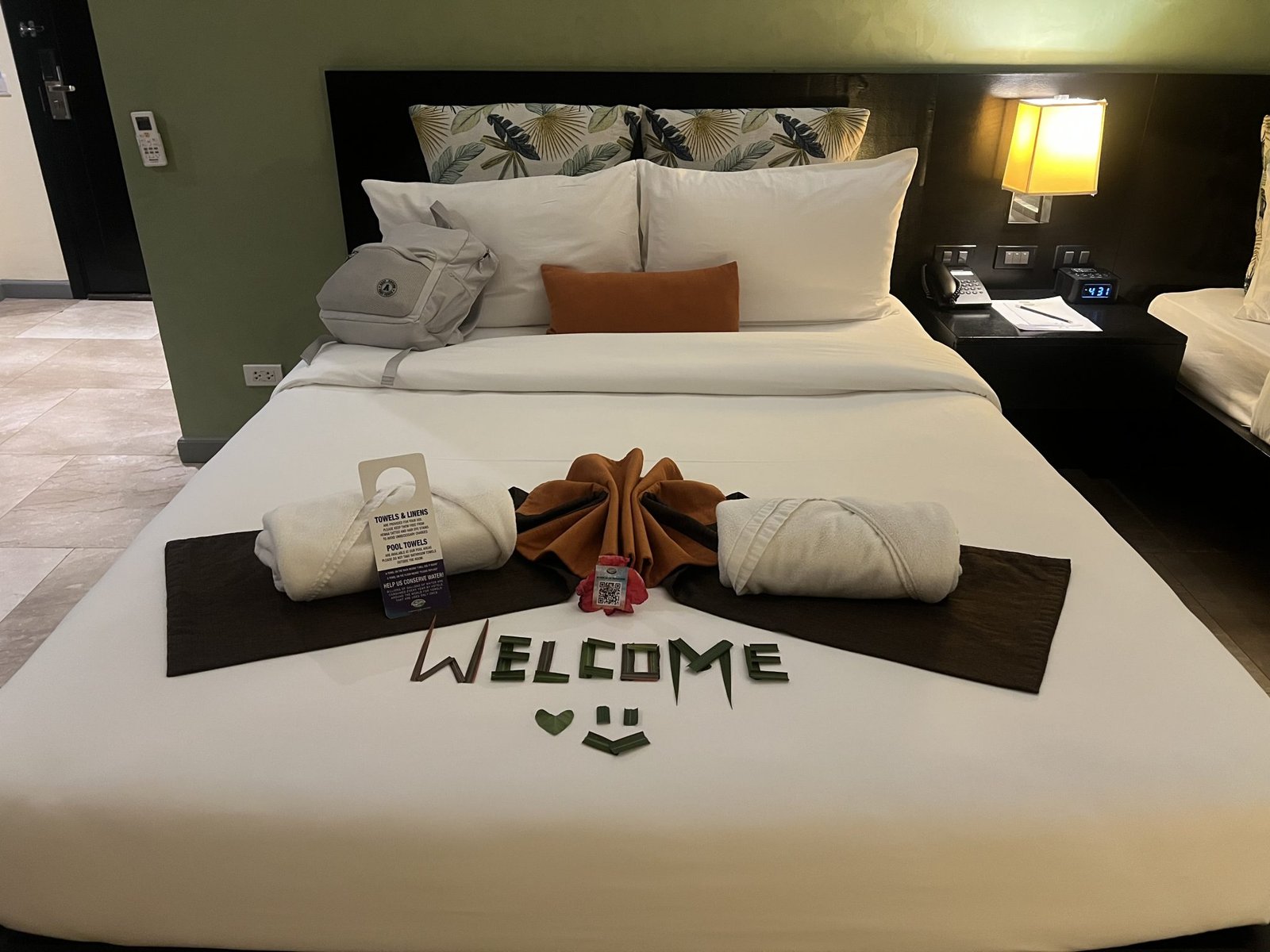
The effects are better quantified than one imagines. Ordinary indoor light, even soft, switched on between dusk and bedtime, reduces melatonin by about 70% and shifts its onset by roughly an hour and a half. Four hours of reading on a backlit screen before sleep, compared with the same time on paper, delays sleep onset and reduces REM sleep.
And reference values now exist, published by an international expert consensus: plenty of light in the morning, very little in the three hours before bed, virtually none in the bedroom.
One point of vocabulary that is also a test: the relevant unit is melanopic lux — the one the body clock perceives — not ordinary lux. When a supplier does not make the distinction, you know who you are dealing with.
Silence, or the most solid and least exploited lever
It is the best-mapped domain in the whole field, and it is an anomaly that we never speak of it.
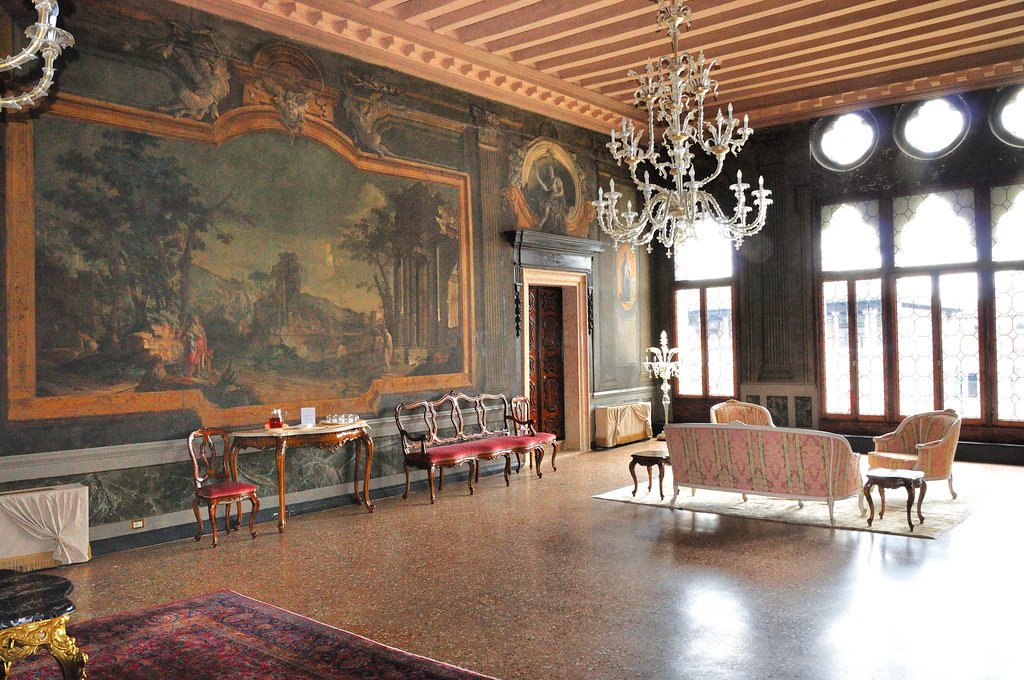
The World Health Organization set precise night-noise thresholds in 2018. The European Environment Agency estimates that more than a hundred million Europeans live above them, and attributes to noise roughly twelve thousand premature deaths a year, close to fifty thousand new cases of coronary heart disease, and the equivalent of a million healthy life-years lost annually. In France, the social cost of noise is estimated at one hundred and forty-seven billion euros a year.
What the WHO scientific review establishes with the most certainty is the link between traffic noise and coronary heart disease: a risk that rises steadily from around fifty decibels. Links with stroke and hypertension also exist, with a lower degree of certainty — and that hierarchy deserves to be stated, because it is exactly what separates a serious house from a brochure.
Hence the paradox: acoustics is the only field in wellness with enforceable values, and it is the one our offers talk about least.
Temperature and air
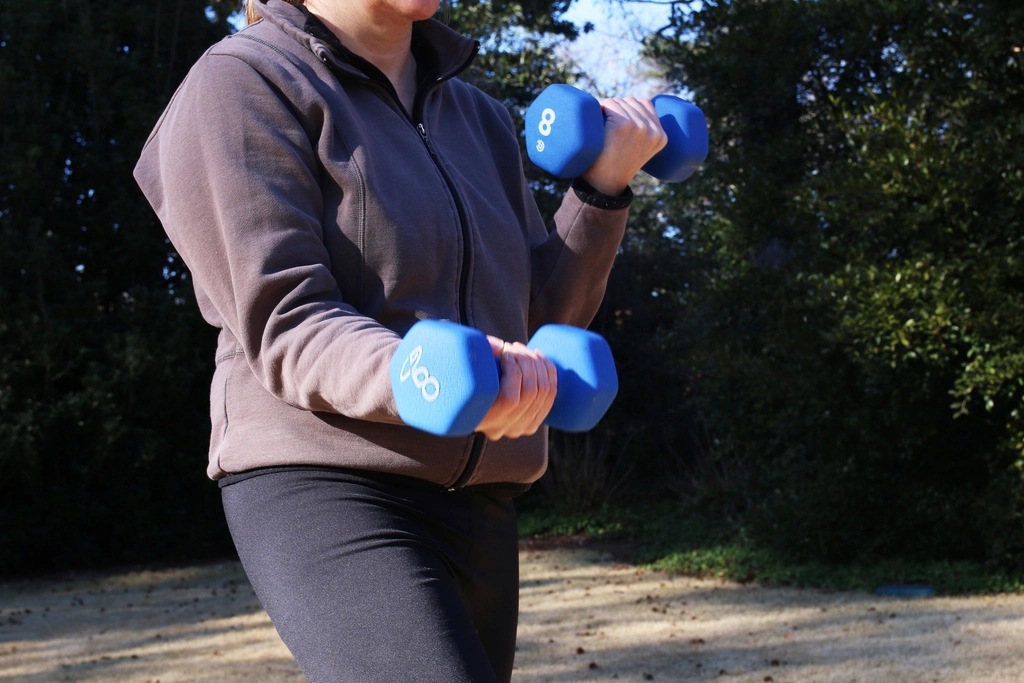
Temperature. Falling asleep begins with an invisible gesture: hands and feet warm, the body sheds heat, core temperature drops. This is why the thermal comfort of the bed and the extremities counts as much as the room setpoint. A study covering several thousand nights places best sleep between twenty and twenty-five degrees, with a clear deterioration beyond — and large differences from one person to another.
Air. The most cited healthy-building study comes from Harvard: it measured markedly higher cognitive scores in better-ventilated offices. It rests on twenty-four participants over six days, and a counter-experiment showed that CO² alone, at those levels, does not degrade performance. The correct reading is therefore not « CO² makes you less effective », but: ventilation is a determinant of comfort and clarity, and CO² is its cheapest indicator. More modest, and far more defensible in front of a technical director.
Nature: a real effect, fragile evidence
Two studies underpin this entire field, and it is more elegant to say frankly what they weigh.
The first, published in Science in 1984, remains the reference for all health architecture: surgical patients whose room looked onto trees were discharged earlier, with fewer painkillers, than those facing a wall. It covers forty-six patients, in a single hospital. Its author himself called for caution. The fact that our most cited reference rests on forty-six beds deserves to be known — and owning it strengthens the argument rather than weakening it.
The second produced the famous « two hours of nature a week » threshold, drawn from a survey of nearly twenty thousand people in England. Beyond three to five hours weekly, the benefit stops progressing. And it does not matter whether the time is taken in one block or split — a nuance immediately useful when designing a stay. But this is an observed association, not a prescription.
And one myth to remove from the sales deck: indoor plants do not purify the air. A reanalysis of thirty years of studies concludes that it would take hundreds per square metre to match one open window. Their value is aesthetic and psychological. It is real, and it is enough — there is no need to invent a technical function for it.
Scent and music: sincerity as the best strategy
Here the greatest delicacy is required, because this is the heart of the craft.
On essential oils, the broadest synthesis — forty-four trials — measures a real reduction in anxiety. But it notes an obstacle no study will ever clear: you cannot mask a smell. A blinded trial is impossible. Which means that expectation, memory and imagination are part of the mechanism here — not a bias to be eliminated.
On music, the Cochrane review is unusually honest: perceived sleep quality improves markedly, and the three studies equipped with measuring devices find no objective improvement.
None of which condemns anything — quite the opposite. In hospitality, the lived experience is the product. A scent, a material, a silence change an evening, and that is exactly what a guest comes for. But they do not treat — and both statements can coexist in the same narrative, provided they are never confused.
What this changes for an operator
Design becomes quantified. Evening light, night-time decibels, degrees in the room, ventilation: four measurable variables that turn an intention about atmosphere into a technical brief.
Acoustics is our sector’s best untapped investment. The best evidenced, the most regulated, and the one that weighs most on the memory of a night.
The bedroom becomes a wellness space. Everything above plays out outside the spa. A house that sells sleep and does not treat its rooms is selling a protocol against its own building.
Supplier claims can be checked. Ordinary lux presented as melanopic, a plant sold as a filter, a diffuser sold as a treatment: three signals to spot from the first meeting.
And sensoriality keeps its full place — provided it is named for what it is: what makes an experience unforgettable, not what makes it therapeutic.
Read next: regulate, don’t relax — stress, sleep and longevity.
Our Concept & Pre-Opening assignments translate these variables into a technical brief, with the engineering teams and the project management. Request a quote or explore our services.
Further reading
- Evening light and melatonin — Journal of Clinical Endocrinology & Metabolism, 2011
- Reference values for light exposure — international consensus, PLOS Biology, 2022
- The health cost of noise in Europe — European Environment Agency, 2020
- A view of nature and recovery after surgery — Ulrich, Science, 1984
- Two hours of nature a week — survey of 20,000 people, Scientific Reports, 2019
- Music and sleep — Cochrane review, 2022
Popular Posts